
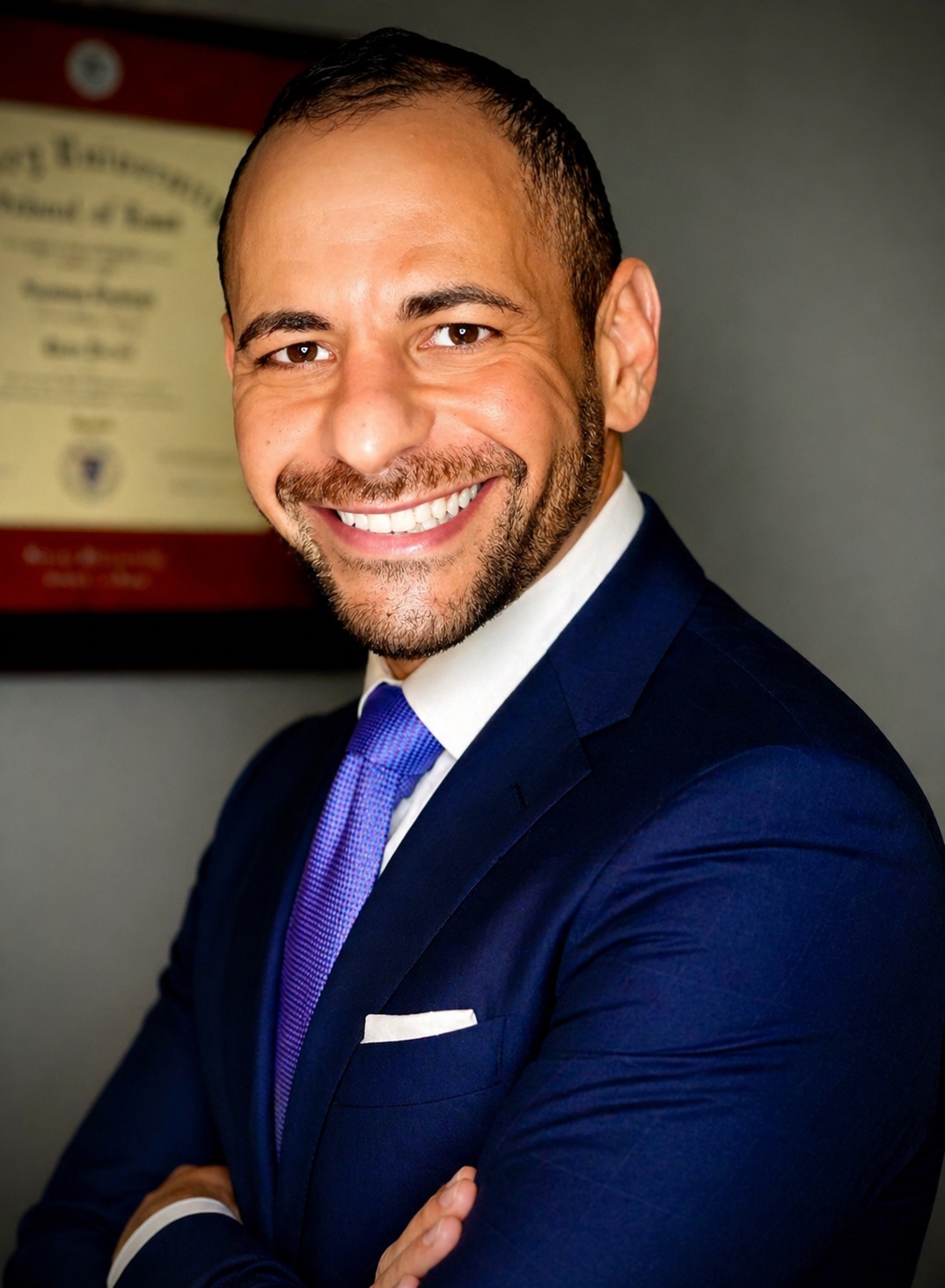
 By Abraham Elmazahi, Esq.
Finding out that you may have an active arrest warrant can create immediate uncertainty. You may not know why the warrant was issued, whether bond has been set, or whether law enforcement could arrest you at home, at work, during a traffic stop, or during another routine encounter.
An active warrant should not be ignored. The correct response depends on the type of warrant, the underlying charge, the court that issued it, and whether the warrant includes a predetermined bond or requires a judge to address release.
Taking controlled action before an unexpected arrest may provide an opportunity to understand the situation, prepare for surrender, and begin protecting your interests.
What Is an Arrest Warrant?
An arrest warrant is a court order authorizing law enforcement to take a person into custody. A judge may issue an arrest warrant after reviewing a complaint and supporting information and determining that probable cause exists.
People sometimes use the terms “arrest warrant,” “bench warrant,” and “capias” interchangeably. Although each can result in an arrest, the reason for issuance may be different.
- A newly alleged criminal offense.
- A missed court date.
- A failure to comply with a court order.
- An alleged violation of probation or community control .
- A capias issued after formal charges are filed.
- Another matter requiring the person to be brought before the court.
Determining exactly what kind of warrant exists is an important first step because the available response may differ substantially from one case to another.
Can You Be Arrested Without Warning?
Yes. An active warrant can result in an arrest during an otherwise ordinary interaction with law enforcement.
- A traffic stop.
- Contact at a residence.
- Contact at a workplace.
- An encounter at an airport or another controlled location.
- A records check during an unrelated investigation.
- An attempt by law enforcement to locate the person named in the warrant.
Florida law permits an arrest on a warrant on any day and at any time of the day or night. Waiting for the warrant to disappear ordinarily does not resolve the problem.
Confirm the Warrant Before Making Decisions
Before deciding what to do, confirm the available information.
- Which court issued the warrant?
- What case number is associated with it?
- What charge or alleged violation is involved?
- Is the warrant active?
- Is a bond amount listed?
- Does the warrant require the person to be held without bond pending a hearing?
- Was the warrant issued because of a missed court date?
- Is the warrant connected to probation or community control?
- Is the case located in the same county where the person currently lives?
Online clerk or sheriff records can sometimes provide useful information, but public databases may be incomplete, delayed, or difficult to interpret. A criminal-defense attorney may be able to review the court record, contact the appropriate agency or clerk, and determine what the warrant actually requires.
Should You Contact a Lawyer Before Turning Yourself In?
When reasonably possible, it is often better to speak with a criminal-defense attorney before surrendering .
That does not mean an attorney can make every warrant disappear or guarantee immediate release. It means counsel may be able to identify the type of warrant, evaluate the underlying case, determine whether bond has already been set, and develop a controlled plan for addressing it.
Depending on the circumstances, an attorney may also be able to:
- Review the warrant and court docket.
- Determine whether the warrant resulted from a missed appearance or another procedural issue.
- Ask the issuing court to consider recalling or setting aside a warrant when legally and factually appropriate.
- Seek a hearing concerning bond or release conditions.
- Coordinate a voluntary surrender.
- Notify the court that the defendant is represented.
- Prepare to appear at first appearance or another required hearing.
- Begin preserving evidence relevant to the underlying charge.
Whether any of those options is available depends on the specific case. No attorney can promise that a warrant will be withdrawn, that surrender will avoid custody, or that bond will be granted.
Can You Arrange a Voluntary Surrender?
In some cases, a planned voluntary surrender may be possible.
A voluntary surrender generally means arranging to report to the appropriate detention facility or law-enforcement agency instead of waiting to be arrested unexpectedly. The process varies by county, agency, charge, and warrant type.
A planned surrender may allow a person to make practical arrangements involving:
- Transportation.
- Childcare.
- Employment obligations.
- Necessary prescription information.
- Contact with a bondsman, when appropriate.
- Access to funds needed for an authorized bond.
- Communication with family.
- Attorney attendance or preparation for the first court hearing.
A voluntary surrender does not guarantee immediate release. The person may still be booked into custody, held for a hearing, or detained under the terms of the warrant.
Do not report to an agency based solely on assumptions about where the warrant originated. The correct location and procedure should be verified first.
What Happens After You Surrender or Are Arrested?
After an arrest , the person will ordinarily be transported to a detention facility for booking and processing.
- Identity verification.
- Fingerprinting.
- A booking photograph.
- Property inventory.
- Review of the warrant and listed charges.
- Determination of whether a preset bond applies.
- Placement on the appropriate court calendar.
Unless the person has already been lawfully released, Florida procedure generally requires an arrested person to be brought before a judicial officer for first appearance within 24 hours of arrest.
At first appearance, the judge may address matters such as:
- The existence of probable cause.
- The right to counsel.
- The charges or alleged violations.
- Bond or other release conditions.
- No-contact provisions.
- Travel restrictions.
- Pretrial detention issues.
- The next stage of the case.
The exact issues addressed will depend on the charge, the warrant, the person’s history, and the procedural posture of the case.
Is Bond Guaranteed on an Arrest Warrant?
No. The existence of a warrant does not establish that a person will automatically receive a bond or be released immediately.
- Include a preset bond.
- Require the defendant to appear before a judge before release.
- Contain no-bond language.
- Arise from a charge subject to additional detention procedures.
- Involve an alleged probation violation.
- Result from a prior failure to appear.
- Be connected to an existing release order or alleged violation of release conditions.
When determining release conditions, a court may consider the nature of the charge, the weight of the evidence, ties to the community, employment, financial circumstances, prior criminal history, previous failures to appear, and public-safety concerns.
Because bond decisions are case-specific, a person should not assume that a publicly displayed bond amount tells the entire story.
Should You Explain the Case to Law Enforcement?
An arrest is generally not the time to provide a detailed explanation, argue the facts, contact an alleged victim, or attempt to persuade officers that the case is a misunderstanding.
A person should not resist arrest, interfere with officers, provide false identifying information, destroy evidence, or attempt to flee.
The safer course is generally to remain composed, comply with lawful booking procedures, and request to speak with an attorney before answering investigative questions about the allegations.
Statements made during or after an arrest may become evidence. Even an explanation intended to help can create additional issues when the person does not yet know the evidence, the precise charge, or what others have told law enforcement.
Do Not Contact an Alleged Victim or Witness About the Warrant
Learning about a warrant may create an impulse to contact the complaining witness or another person involved in the case. That can be risky.
- Be misunderstood.
- Create additional allegations.
- Be viewed as pressure or intimidation.
- Violate an existing no-contact order.
- Become evidence in the pending case.
Before communicating with anyone connected to the allegations, speak with counsel and determine whether any court order restricts contact.
What Early Counsel Can Address
An active warrant may be the first visible sign of a larger criminal case.
Early representation may allow the defense to investigate:
- Why the warrant was issued.
- What evidence was presented.
- Whether formal charges have been filed.
- Whether surveillance or electronic evidence should be preserved.
- Whether witnesses should be identified.
- Whether the court should be asked to address bond or recall a procedural warrant.
- What should happen before, during, and after surrender.
The earlier the defense understands the warrant and the underlying allegation, the more effectively counsel can prepare for the next stage.
Request Consultation
If you believe you have an active arrest warrant in Florida, The Elmazahi Firm, P.A. can review the available information and discuss the next steps.
You may securely request a confidential consultation through the firm’s Request Consultation form. Provide the county, alleged charge, case number if known, and any information you have received concerning the warrant. Existing clients should use The Elmazahi Client Center for case communications.
Do not delay solely because you are uncertain about the details. Confirming the situation is the first step toward addressing it.
Disclaimer
This article is provided for general informational purposes only. It is not legal advice, does not create an attorney-client relationship, and should not be treated as a guarantee regarding bond, release, recall of a warrant, or the outcome of any case. Every warrant and criminal case is different.
No Attorney-Client Relationship
Reading this article or submitting information through the website does not create an attorney-client relationship. An attorney-client relationship is formed only through a written agreement with The Elmazahi Firm, P.A.