
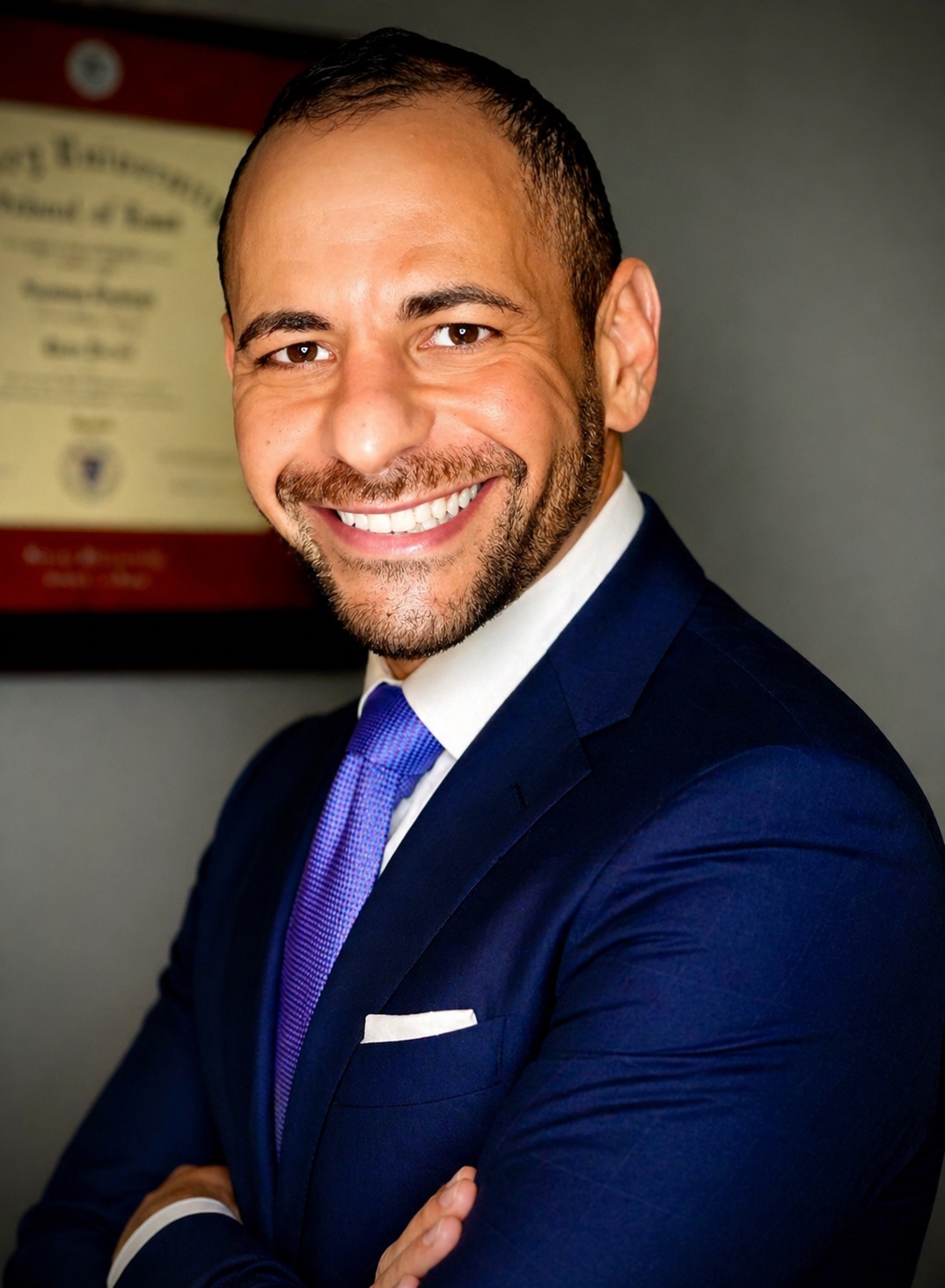
 By Abraham Elmazahi, Esq.
Receiving a phone call from a detective can be unsettling, especially if you have not been arrested or formally charged with a crime. Many people assume that if they simply explain what happened, the matter will be resolved. Unfortunately, investigations are often more complicated than they appear.
If law enforcement has contacted you, it usually means officers are gathering information, evaluating evidence, or attempting to understand the events surrounding an allegation. Before deciding whether to participate in an interview, understand that your statements may become part of the investigation.
Why Would a Detective Contact You?
A detective may contact someone for many reasons, including:
- To request an interview.
- To ask follow-up questions.
- To discuss an incident under investigation.
- To request that you come to the police station.
- To ask for consent to search property or electronic devices.
- To identify witnesses or gather additional information.
Being contacted does not automatically mean you will be arrested, but it does indicate that law enforcement considers your information relevant to the investigation. For broader crisis guidance, review the firm's Contacted by Law Enforcement page and the Arrested or Under Investigation start-here page.
Before Agreeing to an Interview
Many investigations are resolved—or significantly influenced—by decisions made before formal charges are filed.
Before agreeing to meet with investigators, consider taking time to understand:
- What investigation is involved.
- Whether you are considered a witness, a subject, or a potential suspect.
- Whether there are deadlines, warrants, or court appearances involved.
- Whether providing information without legal advice could create unintended consequences.
Every investigation is different, and decisions that make sense in one situation may not be appropriate in another.
What the Firm Reviews Early
When someone contacts The Elmazahi Firm, P.A. during an investigation, the initial review may include factors such as:
- Available police reports.
- Known allegations.
- Search or seizure issues.
- Statements already made.
- Digital evidence.
- Body-worn camera footage, when available.
- Potential witnesses.
- Court or bond-related deadlines.
- Strategic considerations before further communication with investigators.
The purpose is to understand the situation before unnecessary risks are taken. You can also review the firm's Pre-Arrest Investigations practice page.
Avoid Making Assumptions
Many people believe they can quickly "clear things up." Sometimes that happens. Other times, statements made with good intentions become evidence that is later interpreted differently than expected.
Review the circumstances fully before deciding how to respond to an investigative request.
Learn More
If you have been contacted by law enforcement or are concerned that you may be under investigation, additional information is available throughout The Elmazahi Firm website , including guidance regarding arrests, investigations, and Florida criminal proceedings.
If you wish to discuss your situation privately, you may use the firm's Request Consultation form. Existing clients should use The Elmazahi Client Center for case communications.
General Information Disclaimer
This article is provided for general informational purposes only. Every investigation is different, and the information above should not be interpreted as legal advice for any specific matter.
No Attorney-Client Relationship
Reading this article, communicating through the website, or submitting a consultation request does not create an attorney-client relationship. An attorney-client relationship is established only through a written agreement accepted by The Elmazahi Firm, P.A.