
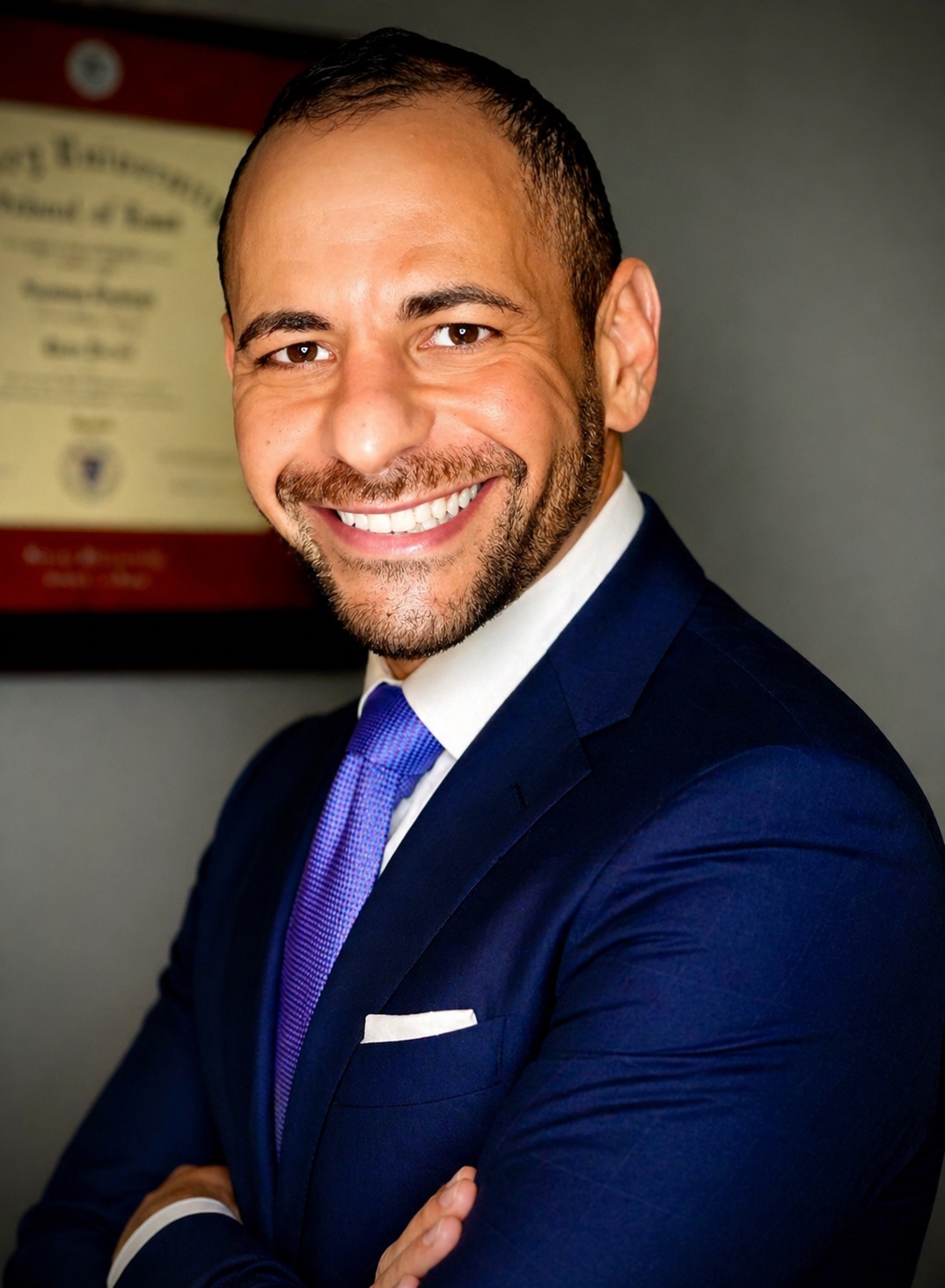
 By Abraham Elmazahi, Esq.
The Case Starts Before the First Scheduled Court Date
An arrest creates a criminal record before anyone has proved the allegation. By the time a person leaves the jail, law enforcement may already have a probable-cause affidavit, body-camera footage, witness statements, photographs, property receipts, digital evidence, and a charging recommendation moving through the prosecutor’s office. The defense should therefore treat the period immediately after arrest as an evidence-preservation and case-positioning period, not as dead time before court.
Florida Rule of Criminal Procedure 3.130 requires an arrested person who has not already been lawfully released to be brought before a judge within 24 hours. At first appearance, the court addresses the charge, rights, counsel, probable cause in the circumstances required by the rule, and release conditions. If the person has already bonded out, the next scheduled date may come later, but release conditions can be enforceable immediately.
Read the Release Papers Before Doing Anything Else
Bond paperwork, a notice to appear, a no-contact order, GPS or alcohol-monitoring terms, geographic restrictions, firearm conditions, reporting instructions, and the next court date can carry immediate consequences. Florida Statute § 903.047 makes compliance with pretrial-release conditions part of remaining at liberty while the case is pending. A violation can create a separate basis for arrest or revocation of release even when the underlying charge has not been resolved.
The practical rule is simple: preserve every page and treat every written condition as controlling until the court changes it. A complaining witness cannot privately cancel a judicial no-contact order. A bondsman cannot rewrite a judge’s conditions. A family member’s interpretation of what happened in court is not a substitute for the actual order.
Preserve Evidence Before Phones, Cameras, and Memories Change
The first days may be the only realistic opportunity to preserve private surveillance, doorbell video, rideshare records, photographs of injuries or the absence of injuries, location history, text threads, voicemails, receipts, employment records, and names of people who saw the relevant event. Commercial video is often overwritten on a short cycle. Digital accounts can change. Witnesses can become harder to locate.
Preservation does not mean editing, deleting, recreating, or coaching. Original files matter. Full message threads matter. Metadata can matter. A private chronology for counsel can identify times, locations, cameras, witnesses, statements, and missing proof, but it should be factual rather than a polished narrative circulated among friends or witnesses.
Do Not Turn the Arrest Into a Second Interview
After an arrest, officers or detectives may call again. A person may feel that the arrest happened because police misunderstood something and that a calm explanation will fix it. That assumption can be dangerous. Statements can supply missing elements, resolve inconsistencies for the State, identify evidence police did not know existed, or lock the defense into a version before discovery is obtained.
Miranda warnings are not a general requirement for every police conversation. The warning requirement is tied to custodial interrogation. A voluntary post-release call or stationhouse conversation may therefore generate admissible statements even though no warning is given. Counsel can first determine what law enforcement is asking for and whether any response serves a legitimate defense objective.
First Appearance Is About More Than the Bond Amount
Pretrial release in Florida is governed by constitutional, rule, and statutory considerations. Rule 3.131 and Chapter 903 address conditions designed to protect the community, assure appearance, and protect the integrity of the judicial process. The court can consider the charge, the weight of the evidence, community ties, prior record, prior failures to appear, existing supervision, danger, and other statutory factors.
That means preparation can matter. Accurate information about residence, employment, family responsibilities, medical needs, prior court compliance, and available supervision can be important. In some cases, the central issue is not the dollar amount of a bond but a no-contact condition, residence restriction, monitoring term, firearm prohibition, or other condition that affects daily life.
The Charge on the Jail Screen Is Not the Final Case
The arresting charge is a starting point. The State Attorney’s Office may file the same charge, file a different charge, add charges, decline prosecution, or continue investigating. The defense should separate what police alleged from what the admissible evidence can prove. That requires obtaining the probable-cause narrative, recordings, witness evidence, physical evidence, and any search or seizure material rather than simply reacting to the booking label.
Early legal analysis should also identify whether a stop, search, interrogation, identification procedure, warrant, or evidentiary issue may affect admissibility. The case theory should grow from the record. An arrest creates urgency, but urgency is not a reason to guess.
What to Bring to an Early Defense Review
A useful early review usually starts with the release packet, charging paperwork, citation or notice to appear, court notices, any warrant or probable-cause affidavit available, photographs, relevant messages, known video sources, and a list of important witnesses. If the case involves a DUI, include the license-suspension paperwork because the administrative track has its own deadline. If it involves domestic violence, include the precise no-contact language.
The objective is to identify immediate restrictions, preservation needs, charging exposure, and the next procedural event. The defense does not need every piece of discovery before it can prevent avoidable mistakes.
Jail Calls and Recorded Communications Need Special Caution
County-jail telephone systems commonly record and retain calls, subject to limited privileged-call procedures. A defendant who uses an ordinary jail line to describe the incident, discuss witnesses, criticize a complaining witness, or coordinate what someone should say may create evidence that is later obtained by the State. Family members can help with logistics without asking for a factual replay.
After release, the same caution applies to texts and social media. A message sent to explain, apologize, vent, or defend reputation may be admissible and may also violate a court order. Preserve what already exists and route case communication through counsel.
Early Defense Does Not Mean Early Publicity
An arrest can produce a strong urge to correct the public record. In most criminal cases, public explanation creates more risk than value. The State is not required to litigate in the comments section, and a public statement can be preserved, quoted out of context, or used to identify additional witnesses.
If employment, licensing, school, or family-court consequences require communication, the message should be tailored to that purpose without volunteering the criminal-case facts. The defense should protect both the courtroom record and the client’s practical life.
Related Analysis
Continue with the firm guidance most closely connected to this issue:
The appropriate route depends on the allegation, court posture, and evidence actually present in the case.
Request Consultation
If this issue is part of a Florida criminal investigation or pending case, The Elmazahi Firm, P.A. can review the procedural posture, available evidence, immediate restrictions, and the next defense decision.
Prospective clients may use the firm’s secure Request Consultation form. Existing clients should use The Elmazahi Client Center for secure case communication.
Disclaimer
This article is provided for general informational purposes only. It is not legal advice and does not create an attorney-client relationship. Florida criminal cases are fact-specific, and statutes, court rules, local procedures, and controlling decisions can change how a particular issue must be analyzed.
No Attorney-Client Relationship
Reading this article or submitting information through the website does not create an attorney-client relationship. An attorney-client relationship is formed only through a written agreement with The Elmazahi Firm, P.A.