
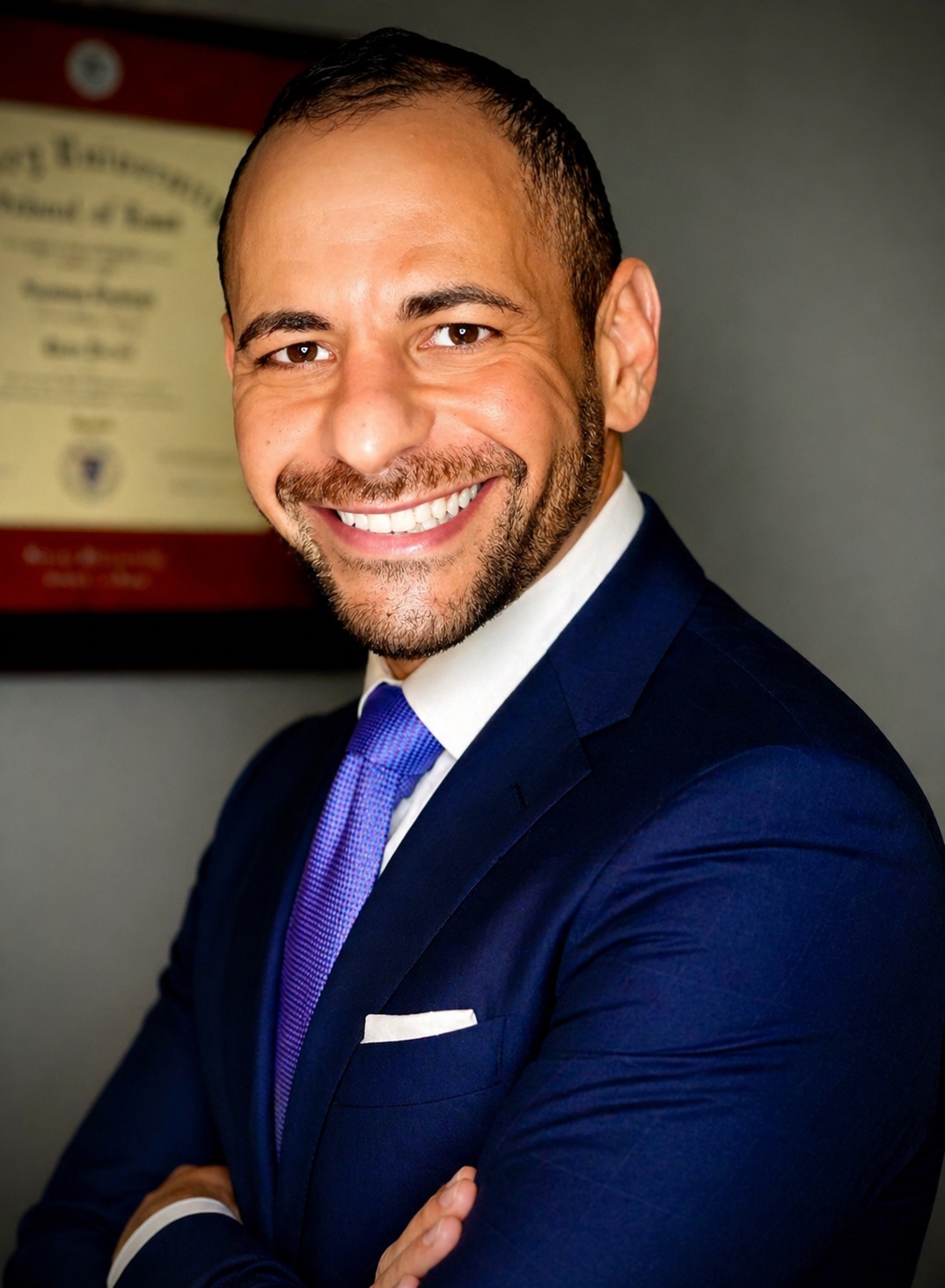
 By Abraham Elmazahi, Esq.
The Investigation Starts With the Police Encounter
Before breath numbers, field sobriety exercises, or booking video, there is usually a reason police made contact. That may be an observed traffic violation, reported driving pattern, crash, welfare check, checkpoint, disabled vehicle, or information from another officer or citizen. The legal basis for the encounter shapes everything that follows.
A traffic stop must be justified when it begins, and its duration must remain tied to lawful purposes unless new reasonable suspicion develops. A later arrest does not retroactively cure an unlawful detention. Dispatch records, body camera, dash camera, and roadway video can be central to reconstructing the timeline.
DUI Proof Can Be Based on Impairment, Chemical Level, or Both
Florida § 316.193 permits DUI prosecution when a person drives or is in actual physical control while normal faculties are impaired by alcohol, specified chemicals, or controlled substances, or when the qualifying blood- or breath-alcohol level is 0.08 or higher. Those are related but distinct proof paths.
A case with no chemical result can still be prosecuted on impairment evidence. A case with a number still requires lawful collection and proof tying the sample to the defendant and relevant time. The defense should identify which theory the State is actually relying upon.
Field Sobriety Exercises Are Observations Under Conditions
Roadside exercises are not performed in a laboratory. Surface, slope, traffic, lighting, weather, footwear, age, injuries, medical conditions, anxiety, language, instruction quality, and demonstration can affect performance. The defense should review what the officer asked the driver to do and compare the written description to the video.
Partial performance matters. So do moments the report does not mention: steady standing, coherent conversation, proper document retrieval, safe driving before the stop, or correct completion of instructions. The State is entitled to use inculpatory observations; the defense is entitled to the whole recording.
Chemical Testing Has Procedure Behind the Number
Breath, blood, and urine evidence involves legal authorization and technical process. Depending on the test, issues can include implied-consent warnings, instrument inspection, operator qualifications, observation requirements, blood collection, preservatives, chain of custody, analytical methods, contamination, and timing.
A breath number is powerful evidence when reliable and admissible, but it is not self-authenticating merely because it appears on a printout. The underlying records can matter when the defense has a good-faith basis to challenge the result.
Criminal Traffic Charges Have Their Own Elements
The same courtroom may handle driving while license suspended, leaving the scene, reckless driving, no valid license, and other criminal-traffic offenses. These cases can turn on knowledge, identity of the driver, license status, crash duties, willfulness, or the exact driving conduct alleged. The fact that the offense arose on a road does not make it an ordinary civil citation.
Current Florida law can also attach future consequences to criminal-traffic convictions, including habitual traffic offender considerations in qualifying circumstances. The disposition should be evaluated for its downstream effect.
The License Case May Move Faster Than the Criminal Case
For DUI administrative suspensions under § 322.2615, the driver currently has 10 days from issuance of the notice to request formal or informal review or pursue the statutory restricted-driving review route when eligible. The temporary permit generally expires at midnight on the tenth day. The criminal case will not necessarily resolve within that period.
That requires immediate triage. The driver-license strategy should be chosen with the criminal case in mind, but it cannot be ignored while waiting for arraignment or discovery.
The Best Defense Timeline Uses Every Available Recording
DUI and criminal-traffic cases are unusually timeline-driven. Dispatch, 911 calls, in-car video, body camera, intersection cameras, business surveillance, breath-room recordings, crash data, tow records, and phone records can show when events occurred and what the officer actually observed.
Organizing that timeline allows the defense to test the stop, expansion of detention, arrest decision, testing, statements, and claimed driving conduct in sequence. That is often more useful than arguing about isolated adjectives in the police report.
Driving Proof Can Be Disputed in Both DUI and Other Traffic Crimes
Police may arrive after a crash or find a vehicle after the alleged driving has ended. Identification of the driver can then depend on admissions, eyewitnesses, ownership, video, injuries, seating position, phone data, or circumstantial evidence. The State must still connect the charged person to the driving or actual physical control required by the statute.
The defense should separate “this is your car” from “the State can prove you were operating it at the relevant time.”
Sentencing Conditions Can Affect Daily Life Long After the Court Date
DUI and criminal-traffic dispositions can involve license suspension or revocation, ignition interlock, vehicle impoundment, DUI school, treatment, probation, community service, and insurance consequences depending on the offense and history. Those terms can affect employment and transportation more than the fine itself.
Plea evaluation should therefore include a written inventory of mandatory and discretionary consequences rather than focusing only on whether jail is offered.
Related Analysis
Continue with the firm guidance most closely connected to this issue:
The appropriate route depends on the allegation, court posture, and evidence actually present in the case.
Request Consultation
If this issue is part of a Florida criminal investigation or pending case, The Elmazahi Firm, P.A. can review the procedural posture, available evidence, immediate restrictions, and the next defense decision.
Prospective clients may use the firm’s secure Request Consultation form. Existing clients should use The Elmazahi Client Center for secure case communication.
Disclaimer
This article is provided for general informational purposes only. It is not legal advice and does not create an attorney-client relationship. Florida criminal cases are fact-specific, and statutes, court rules, local procedures, and controlling decisions can change how a particular issue must be analyzed.
No Attorney-Client Relationship
Reading this article or submitting information through the website does not create an attorney-client relationship. An attorney-client relationship is formed only through a written agreement with The Elmazahi Firm, P.A.