
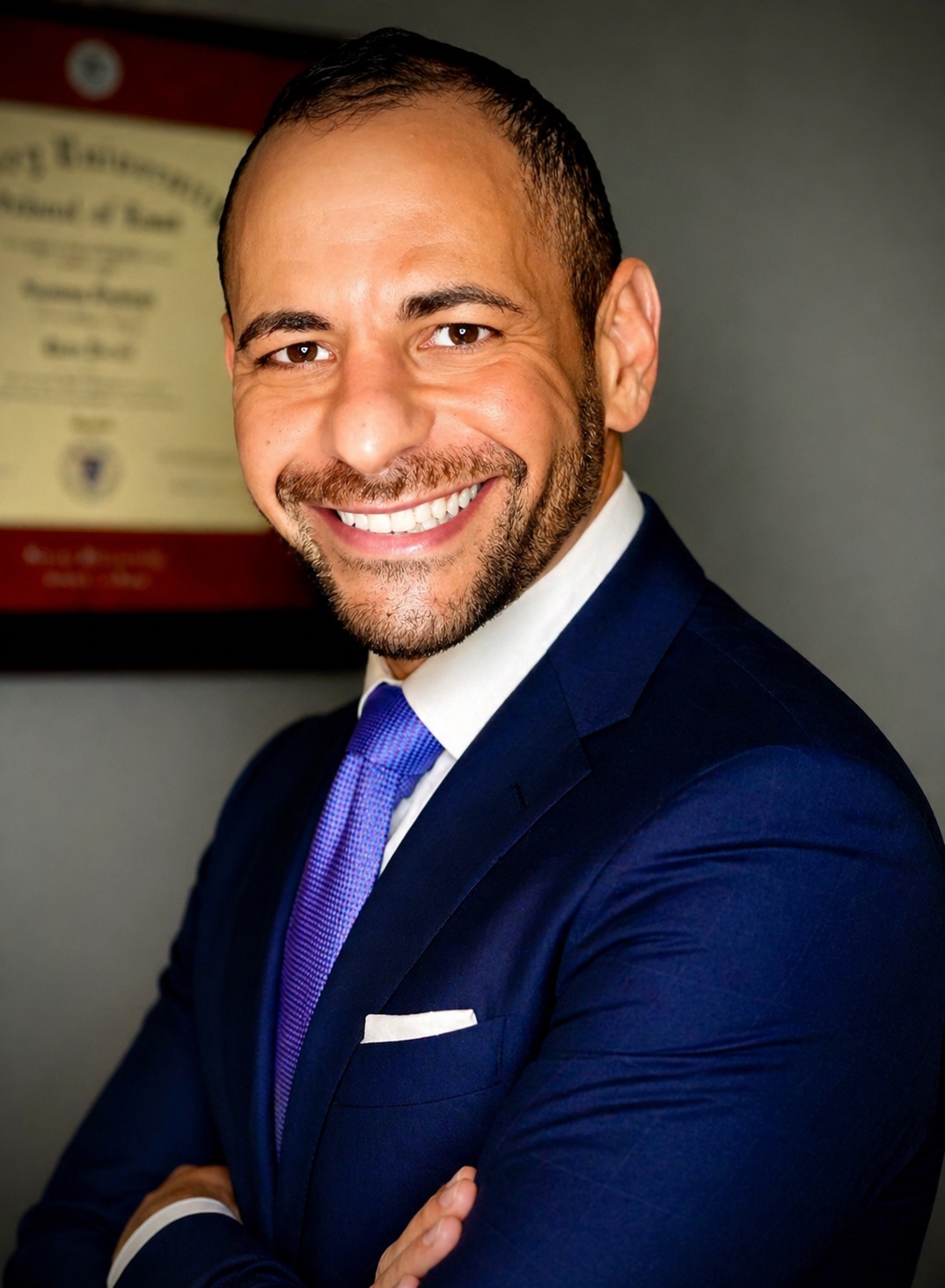
 By Abraham Elmazahi, Esq.
Start With the Actual Offense and Degree
Florida felony exposure begins with the statute of conviction and its degree. Under § 775.082, ordinary statutory maximums include up to five years for a third-degree felony, 15 years for a second-degree felony, and 30 years for a first-degree felony, with life-felony and specifically enhanced offenses governed by additional provisions. Those maximums are only the outer boundary.
The defense should identify reclassification statutes, mandatory minimums, firearm enhancements, recidivist provisions, trafficking thresholds, victim-age provisions, and other offense-specific rules before evaluating plea exposure. A charge that sounds familiar can carry very different sentencing consequences depending on the subsection alleged.
The Criminal Punishment Code Changes the Sentencing Analysis
Florida’s Criminal Punishment Code applies to most noncapital felonies committed on or after October 1, 1998. Section 921.0024 uses a scoresheet that assigns points for the primary offense, additional offenses, victim injury, prior record, legal status, and other factors. The total can produce a lowest permissible prison sentence subject to lawful departure rules and mandatory provisions.
That means statutory maximum and likely sentence are different questions. The defense should obtain or independently calculate the scoresheet early, identify disputed points, and understand what plea offers actually change.
Charging Decisions Can Create Leverage Before Trial
Felony investigations may generate several possible theories from the same facts. The prosecutor can decide which counts to file, whether to add enhancements, and whether to amend as evidence develops. Defense counsel should compare the filed information or indictment to the elements, discovery, and probable-cause materials rather than assuming the initial arrest theory is fixed.
Where the record demonstrates a legal or factual overcharge, targeted advocacy can matter. The strongest presentation is evidence-based: a missing element, contradictory recording, forensic limitation, self-defense issue, witness problem, or legal defect—not a generalized request for leniency.
Discovery Should Be Organized by Proposition, Not by File Type
Felony discovery can become voluminous: body camera, surveillance, phone extractions, social media, laboratory reports, firearms analysis, medical records, expert material, jail calls, witness statements, search warrants, and financial or location records. Merely possessing the files is not the same as analyzing them.
A useful workup maps the evidence to disputed propositions: identity, intent, possession, causation, chronology, knowledge, value, injury, self-defense, or another element. Contradictions then become visible across sources rather than buried in folders.
Suppression and Evidentiary Motions Must Serve the Case Theory
Felony cases often present Fourth Amendment, statement, identification, hearsay, expert, discovery, or other evidentiary issues. A successful motion can materially change trial proof or plea leverage, but motion practice should be tied to the actual record and governing burden.
The defense should preserve deadlines and factual foundations early. Current Florida criminal procedure also gives trial courts authority to impose motion deadlines, making it dangerous to postpone legal analysis until immediately before trial.
Experts Are Useful When They Answer a Case Question
Forensic disciplines can include DNA, toxicology, ballistics, digital forensics, medicine, accident reconstruction, mental-health evidence, and other specialized fields. An expert should not be hired simply because the case is serious. The expert should have a defined assignment tied to an evidentiary dispute.
That may be testing the State laboratory, explaining limitations, reconstructing an event, identifying missing data, or assisting counsel in cross-examination. Expert work is strongest when integrated with the witness and documentary record.
Trial Leverage Comes From Preparation, Not Threats to “Go to Trial”
The prosecution evaluates risk when deciding how to litigate or resolve a felony. Credible defense leverage comes from preserved evidence, litigable issues, prepared cross-examination, reliable experts where needed, identified impeachment, and a coherent theory that fits the admissible record.
Not every felony should be tried. But every serious case should be prepared enough that a plea decision reflects the actual strength of the State’s proof and the real sentencing exposure rather than the pressure of the charge label.
Prior Record Can Affect Both the Scoresheet and Enhancement Exposure
Prior convictions can add Criminal Punishment Code points and may also trigger separate recidivist statutes when their criteria are satisfied. Those are different mechanisms. The defense should verify certified records, offense dates, release dates, qualifying offense definitions, and whether the State has given any notice required for an enhanced sentence.
Assuming that a client is “habitualized” merely because the record is lengthy can overstate exposure; ignoring a qualifying record can understate it. The enhancement must be analyzed statute by statute.
A Plea Offer Should Be Compared to the Trial Exposure Actually Supported by Law
Negotiation becomes distorted when everyone speaks in terms of the highest imaginable sentence rather than the legally available and realistically supported sentence. The defense should separate statutory maximum, lowest permissible sentence, mandatory minimum, enhancement exposure, concurrent or consecutive possibilities, and any lawful departure argument.
Only then can the client understand what the offer truly avoids and what rights are being surrendered.
Enhancements and Reclassification Should Be Audited Separately From the Base Charge
Felony exposure can change because of firearm allegations, prior convictions, victim status or age, gang-related allegations, habitual-offender provisions, prison-releasee-reoffender provisions, domestic-violence reclassification, or offense-specific minimum terms. Those consequences arise from separate statutes with separate predicates. They should not be folded into a single worst-case number before the legal prerequisites are checked.
A useful sentencing audit identifies the base offense degree, statutory maximum, Criminal Punishment Code score, any mandatory minimum, every proposed enhancement or reclassification, and the facts or prior records required to activate each one. That approach prevents negotiation from being driven by penalties the State cannot legally establish and also identifies exposure that must be explained before a plea or trial decision.
Related Analysis
Continue with the firm guidance most closely connected to this issue:
- Felony Defense Issue Area
- Arrest Warrants and Controlled Surrender
- Police Interviews and Voluntary Encounters
The appropriate route depends on the allegation, court posture, and evidence actually present in the case.
Request Consultation
If this issue is part of a Florida criminal investigation or pending case, The Elmazahi Firm, P.A. can review the procedural posture, available evidence, immediate restrictions, and the next defense decision.
Prospective clients may use the firm’s secure Request Consultation form. Existing clients should use The Elmazahi Client Center for secure case communication.
Disclaimer
This article is provided for general informational purposes only. It is not legal advice and does not create an attorney-client relationship. Florida criminal cases are fact-specific, and statutes, court rules, local procedures, and controlling decisions can change how a particular issue must be analyzed.
No Attorney-Client Relationship
Reading this article or submitting information through the website does not create an attorney-client relationship. An attorney-client relationship is formed only through a written agreement with The Elmazahi Firm, P.A.