
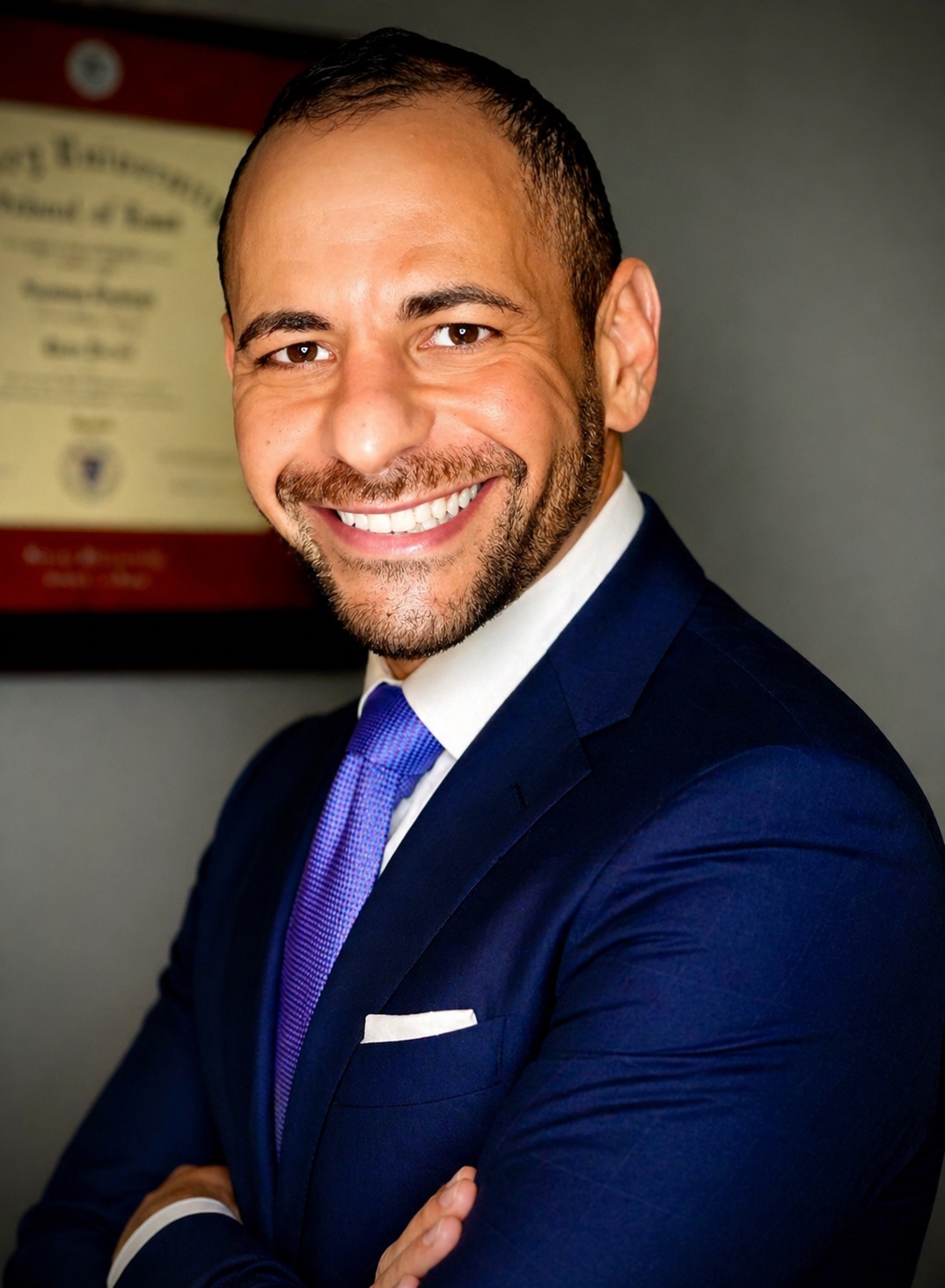
 By Abraham Elmazahi, Esq.
Hour One: Stop Creating Evidence
The period immediately after arrest is emotionally charged, and that is exactly when unnecessary statements proliferate. Jail calls, booking conversations, text messages after release, social-media posts, explanations to employers, and messages to witnesses can all become part of the record. The first rule is not to create a second case while reacting to the first one.
Comply with lawful instructions and preserve basic information about the arrest, but avoid discussing facts on recorded jail calls or with people who may later become witnesses. Family members should gather logistics—booking number, jail location, charges, medical needs, bond status—without conducting their own recorded interview.
Within 24 Hours: First Appearance for Those Still in Custody
Florida Rule of Criminal Procedure 3.130 requires an arrested person who has not already been lawfully released to be brought before a judge within 24 hours. The judge advises the defendant of the charge and rights, addresses counsel, and handles the release issues required by the rules and statutes.
This hearing can affect whether the person remains in custody and what conditions govern release. Accurate information about residence, employment, family ties, prior court compliance, medical needs, and available supervision may be relevant depending on the case.
Day One: Read Every Condition of Release
If the person is released, obtain the complete packet. Florida’s pretrial-release statute makes conditions enforceable immediately. No-contact orders, monitoring requirements, travel restrictions, firearm conditions, substance restrictions, and reporting instructions should be treated as active until changed by the court.
Do not rely on the protected person’s invitation, a relative’s interpretation, or an informal understanding with a bondsman. If a condition creates a housing, child-care, employment, or property problem, document the issue and seek a lawful modification.
Day One and Two: Preserve Evidence That Can Disappear
Private surveillance systems, business cameras, doorbell video, rideshare data, phone location history, text messages, photographs, receipts, and digital account data may be overwritten or changed. Identify sources early and preserve original files where possible. Counsel can send preservation requests when appropriate.
Photograph injuries or relevant physical conditions accurately and promptly. Preserve clothing or property when it may matter. Do not stage photographs, edit metadata, or reconstruct a scene. The objective is evidentiary integrity.
Day Two: Separate the Police Theory From the Proof
Obtain whatever charging and probable-cause information is available and identify what is still unknown. A booking charge summarizes the accusation; it does not establish what the State can prove. The defense should begin mapping witnesses, recordings, searches, statements, forensic evidence, and any missing or contradictory proof.
If detectives contact the defendant after release, route the contact through counsel before discussing facts. A post-release conversation may be voluntary and therefore outside Miranda’s custody requirement.
Day Two and Three: Identify Special Deadlines
Some cases have collateral deadlines that arrive before the ordinary criminal docket becomes active. A DUI administrative suspension, for example, currently carries a 10-day review window under § 322.2615. Court orders may impose immediate reporting or monitoring. Evidence-preservation windows may be even shorter in practice.
The defense should create a deadline list from the actual documents rather than from generic internet guidance. County practices, judicial orders, charge type, and release conditions can change what needs attention first.
By 72 Hours: Have a Case-Control Plan
Within the first several days, the goal is not to solve the entire criminal case. It is to control the parts that can cause irreversible harm: custody, release conditions, deadlines, disappearing evidence, police contact, witness contact, and uninformed plea decisions.
A workable early plan identifies the next court event, the documents to obtain, the evidence to preserve, prohibited conduct, and the investigative questions that require discovery. Once those pieces are controlled, the defense can move from crisis response to deliberate case preparation.
Medication, Employment, and Family Logistics Should Be Documented, Not Improvised
An arrest can interrupt prescriptions, work schedules, child-care arrangements, vehicles, and access to a residence. Those practical problems can affect bond presentation and compliance, but they also create opportunities for prohibited contact or missed requirements if handled informally.
Gather documentation of medical needs, employment, and lawful caretaking responsibilities. Use counsel, authorized third parties, or court-approved mechanisms rather than violating conditions to solve an immediate logistics problem.
The First 72 Hours Are Also a Credibility Window
What the defendant does after arrest may later be described in court. Compliance with release, preservation of evidence, appearing as required, and avoiding witness pressure can support a stable defense posture. New arrests, deleted records, public threats, or contact violations can do the opposite.
The safest approach is deliberately uneventful: comply, preserve, document, obtain advice, and let the case develop through lawful channels.
Do Not Let Social Media Create a Second Evidentiary Record
After an arrest, defendants and family members often want to answer accusations publicly, explain an arrest, post screenshots, criticize the complaining witness, or ask friends to contact people involved. Those posts can be preserved by law enforcement or the State even if they are later deleted. A post intended as a defense may reveal location, relationships, witnesses, state of mind, access to evidence, or indirect contact with a protected person.
The safer course is to preserve relevant existing material and stop creating commentary about the case. Privacy settings are not an evidentiary privilege. If an online post, message, account, or video is important to the defense, save it in its original context and provide it to counsel rather than litigating the accusation in public.
Related Analysis
Continue with the firm guidance most closely connected to this issue:
The appropriate route depends on the allegation, court posture, and evidence actually present in the case.
Request Consultation
If this issue is part of a Florida criminal investigation or pending case, The Elmazahi Firm, P.A. can review the procedural posture, available evidence, immediate restrictions, and the next defense decision.
Prospective clients may use the firm’s secure Request Consultation form. Existing clients should use The Elmazahi Client Center for secure case communication.
Disclaimer
This article is provided for general informational purposes only. It is not legal advice and does not create an attorney-client relationship. Florida criminal cases are fact-specific, and statutes, court rules, local procedures, and controlling decisions can change how a particular issue must be analyzed.
No Attorney-Client Relationship
Reading this article or submitting information through the website does not create an attorney-client relationship. An attorney-client relationship is formed only through a written agreement with The Elmazahi Firm, P.A.