
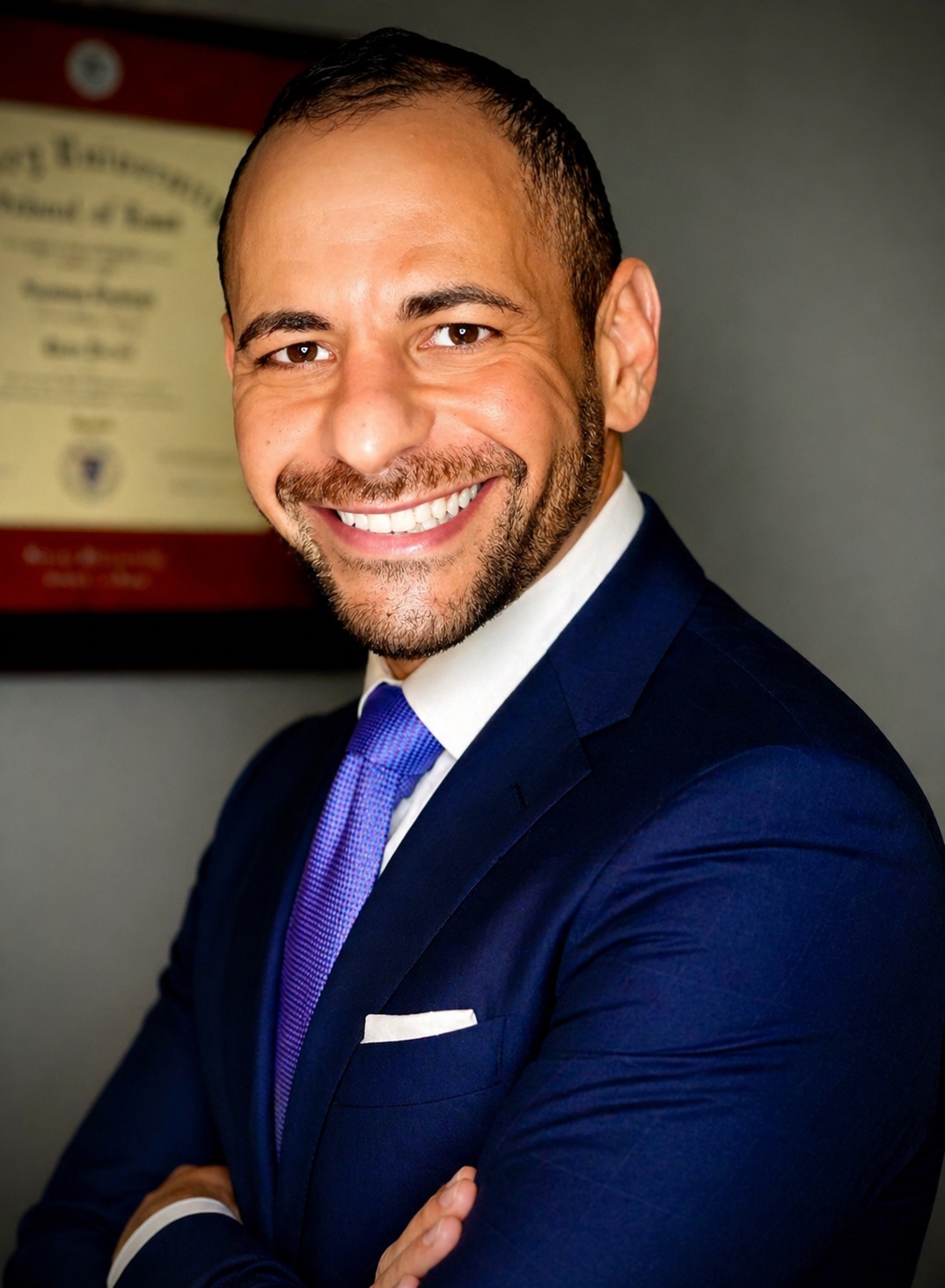
 By Abraham Elmazahi, Esq.
First Identify What Hearing Is Actually Set
“First court date” can describe very different proceedings. It may be first appearance, arraignment, a pretrial conference, calendar call, bond hearing, violation hearing, or case-management event. Each has a different purpose and different consequences. The first task is to read the notice and confirm the court, division, date, time, appearance method, and whether personal attendance is required.
Assuming that every early hearing is merely administrative can create avoidable problems. Some hearings involve release conditions or plea decisions. Others may be waived by counsel under applicable rules and local practice. A defendant should not skip a hearing because someone informally said an appearance probably was not necessary.
Release Conditions Continue While the Case Is Pending
Florida Statute § 903.047 requires compliance with conditions of pretrial release. Those conditions can include no contact, restrictions on travel or residence, monitoring, substance-related requirements, firearm restrictions, or other terms imposed by the court. They remain enforceable until modified or terminated by lawful authority.
If a condition is unworkable, the answer is not self-help. Housing arrangements, child exchanges, employment needs, property retrieval, and desired contact with a complaining witness may require a motion or court clarification. Violating a condition to solve a practical problem can turn one case into a release violation or additional arrest.
The Charging Posture May Still Be Developing
An arrest does not necessarily mean the prosecutor has made a final filing decision. Police may submit charges and supporting materials to the State Attorney’s Office, which then evaluates what to file. Depending on the posture, the first scheduled court event may occur while evidence is still being gathered or reviewed.
That is one reason early defense work can matter. Counsel may be able to identify missing evidence, preserve video, communicate regarding charging posture where appropriate, or prepare for the charge that is actually filed rather than assuming the booking charge will remain unchanged.
Do Not Make a Plea Decision Before Understanding the Consequences
An early resolution can sometimes serve a client’s interests, but speed is not automatically a benefit. A plea can carry consequences beyond jail or a fine: probation conditions, license consequences, firearm restrictions, immigration consequences, professional licensing issues, employment effects, mandatory programs, enhanced penalties for future offenses, or loss of defenses that could have been litigated.
Before a plea decision, the defense should know the charge, sentencing exposure, important collateral consequences, available discovery, and any material suppression or evidentiary issue. The correct amount of investigation depends on the case, but a plea should be a decision rather than a reflex.
Discovery Changes the Case From an Accusation to a Record
Police reports are only one part of the State’s proof. Discovery can include body-camera footage, 911 audio, photographs, laboratory reports, digital records, witness lists, expert material, surveillance video, recordings, and statements. The defense should compare sources rather than treating the narrative portion of a report as established fact.
Inconsistencies may involve timing, lighting, distance, sequence, injuries, identity, ownership, possession, intent, or what an officer actually observed. Early court dates matter because they begin moving the case toward deadlines for motions, depositions where permitted, witness preparation, and trial.
Deadlines Are Case-Specific and Can Arrive Earlier Than Expected
Criminal cases include deadlines created by statutes, rules, judicial orders, and local case-management practices. DUI cases can have a separate driver-license review deadline. Motions may be governed by court-set deadlines. Witness subpoenas, discovery demands, preservation requests, and expert work require lead time even when no formal deadline is immediately visible.
Waiting until calendar call to begin substantive preparation can eliminate options that existed earlier. The defense should identify the actual procedural timetable when the case opens, then work backward from the events that require investigation or litigation.
Prepare for Court by Preparing the Case
Good preparation is not limited to knowing where to stand in the courtroom. Bring counsel the release paperwork, court notice, relevant communications, photographs, employment or treatment documentation if pertinent, and any known evidence that may disappear. Update counsel about new police contact, witness contact, arrests, address changes, or compliance issues.
The first court date is one point in a longer defense process. The objective is to appear in the right posture—with conditions understood, evidence preserved, deadlines identified, and decisions made from the actual record rather than from fear or assumption.
Failure to Appear Can Create a New Procedural Problem
Court dates should be treated as mandatory unless counsel or the court has lawfully excused the appearance. Missing a required hearing can lead to a warrant, bond consequences, or a more difficult relationship with the court. Address transportation, work, childcare, and appearance method before the hearing rather than after a failure to appear occurs.
If an emergency arises, communicate with counsel immediately. Do not assume that calling the clerk or leaving a voicemail automatically excuses an absence.
Local Practice Matters, but the Written Order Still Controls
Florida criminal procedure is statewide, but divisions and judges use different case-management practices. Some hearings are routinely waived by counsel; others require personal appearance. Some courts conduct remote proceedings in defined circumstances. Deadlines and document practices may also differ.
Local custom is useful only when it is current and consistent with the governing rule and court order. The defense should verify the particular judge’s requirements rather than generalizing from another county or an older case.
Related Analysis
Continue with the firm guidance most closely connected to this issue:
The appropriate route depends on the allegation, court posture, and evidence actually present in the case.
Request Consultation
If this issue is part of a Florida criminal investigation or pending case, The Elmazahi Firm, P.A. can review the procedural posture, available evidence, immediate restrictions, and the next defense decision.
Prospective clients may use the firm’s secure Request Consultation form. Existing clients should use The Elmazahi Client Center for secure case communication.
Disclaimer
This article is provided for general informational purposes only. It is not legal advice and does not create an attorney-client relationship. Florida criminal cases are fact-specific, and statutes, court rules, local procedures, and controlling decisions can change how a particular issue must be analyzed.
No Attorney-Client Relationship
Reading this article or submitting information through the website does not create an attorney-client relationship. An attorney-client relationship is formed only through a written agreement with The Elmazahi Firm, P.A.