
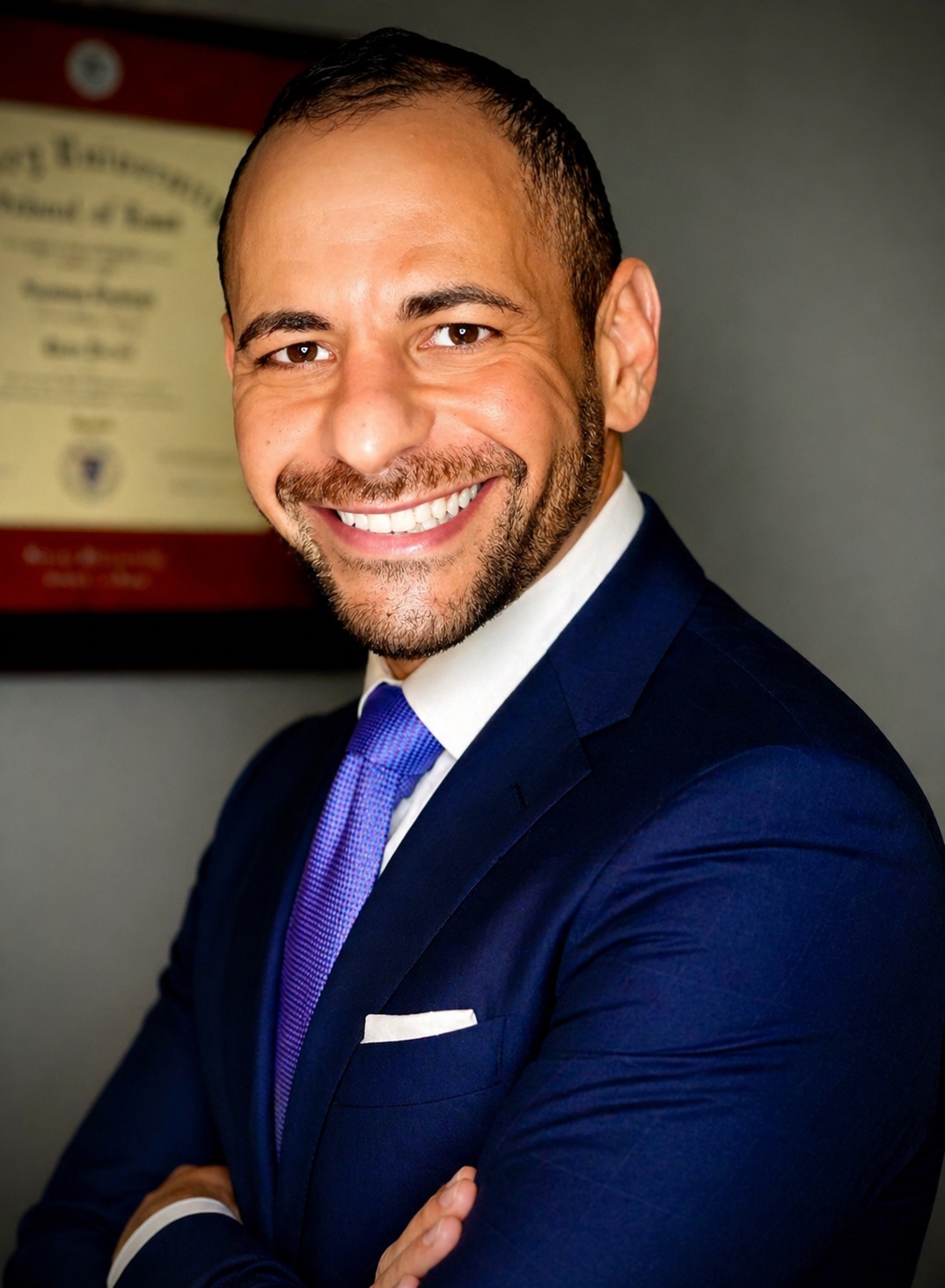
 By Abraham Elmazahi, Esq.
Florida first appearance is the first judicial checkpoint after many arrests. It is not a trial and it is not an arraignment. The hearing is designed to put the arrested person before a judge promptly, advise the person of the charge and basic rights, appoint counsel when required, and address pretrial detention or release.
The practical importance is immediate. A first-appearance order can determine whether a person goes home, remains in custody, must avoid contact with another person, must comply with travel or supervision restrictions, or must return for a later detention hearing.
As of September 19, 2026, Florida’s first-appearance and pretrial-release rules reflect substantial changes adopted during 2025 and effective in 2026. Anyone relying on an older bond schedule or older version of the criminal rules should verify the current authority before making assumptions about release.
When Does First Appearance Happen?
Florida Rule of Criminal Procedure 3.130 provides that, unless an arrested person has already been lawfully released, the person must be brought before a judge within 24 hours of arrest. The appearance may occur in person or through audio-video communication technology in the court’s discretion.
That 24-hour requirement does not mean every issue in the case must be resolved within 24 hours. It means the arrested person is entitled to the first judicial appearance within that period unless already lawfully released.
A person released under an authorized bond schedule before first appearance may never have an in-custody first-appearance hearing. Other defendants cannot be released before first appearance because of the charge, their legal status at the time of arrest, or another statutory restriction.
What Does the Judge Tell the Defendant?
At first appearance, the judge must advise the defendant of the charge and basic rights. Rule 3.130 requires notice that the defendant is not required to say anything and that statements can be used against the defendant. The judge must also address the right to counsel and the right to communicate with counsel, family, or friends.
This is one reason a first-appearance hearing is a poor setting for an unplanned factual explanation. The judge is not asking the defendant to prove innocence, and the defense ordinarily gains nothing from volunteering a narrative before counsel has reviewed the police reports, recordings, witness accounts, and charging posture.
Does the Judge Decide Probable Cause?
Probable cause and guilt are different questions. A first-appearance judge does not conduct a trial or decide whether the State can prove the charge beyond a reasonable doubt.
For a defendant held after a warrantless arrest, Florida Rule of Criminal Procedure 3.133 generally requires a nonadversary probable-cause determination within 48 hours of arrest unless a judge has already made the required determination for the specific offense. If the necessary proof is available, that determination may occur at first appearance.
A probable-cause finding allows the case and custody posture to continue; it is not a finding that the defendant is guilty.
How Does the Judge Decide Bond or Other Release Conditions?
At first appearance, the judge may have to decide whether the defendant will be released and, if so, under what conditions. Florida Rule of Criminal Procedure 3.131 and sections 903.011 and 903.046, Florida Statutes, govern much of that analysis.
Section 903.046 states that bail serves two central purposes: securing the defendant’s appearance at later proceedings and protecting the community from unreasonable danger. The court must consider case-specific factors that include the nature of the charge, the weight of the evidence, family and community ties, residence, employment, financial resources, prior record, prior failures to appear, whether the person was already on release or supervision, danger to the community, danger or intimidation risk to a victim, and other relevant facts.
A preset bond amount is therefore not the final word once a judge is conducting an individualized bail determination.
Who Must See a Judge Before Release?
Florida law does not permit every arrested person to post a scheduled bond before first appearance. Section 903.011(6), Florida Statutes, identifies categories in which release before first appearance is prohibited and the judge must make an individualized bail determination. Rule 3.132 also requires first appearance before release for a person arrested for a dangerous crime listed in section 907.041 and for certain other statutorily defined cases.
The exact rule depends on the charge and the person’s status when arrested. A defendant who was already on pretrial release, probation, or community control for certain arrests can face a different release posture from someone with no pending supervision.
Pretrial detention is also separate from simply setting a high monetary bond. When the State seeks detention under section 907.041 and Rule 3.132, specific procedures and findings apply.
What Conditions Can Be Imposed?
Release conditions can reach far beyond the dollar amount of a bond. Depending on the case, a court may impose conditions addressing residence, travel, association, reporting, curfew, weapons, alcohol or controlled substances, treatment, supervision, or other restrictions reasonably tied to appearance and public safety.
A court may also enter a no-contact order. If a no-contact order is entered, the written terms control until the court modifies them. The protected person cannot privately authorize the defendant to ignore the order.
Violating a material condition of pretrial release can expose a defendant to revocation and detention. The safest practice is to obtain the written order, read every condition, and address any unworkable term through counsel and the court rather than through self-help.
Why the Bond Amount Online May Change
Florida uses a statewide bond-schedule structure for many offenses, and judicial circuits may use authorized local schedules for release before first appearance. Those schedules help determine whether someone may post bond before seeing a judge.
They do not bind the judge conducting an individual first-appearance or bail determination. Section 903.011(5)(f), Florida Statutes, expressly preserves the judge’s authority at that hearing.
In the Twelfth Judicial Circuit, which includes Manatee and Sarasota Counties, the 2026 local bond schedule likewise states that the schedule governs eligible pre-first-appearance release and does not bind the judge at first appearance. The amount shown on a jail or clerk record can therefore change after the judge reviews the actual case and release factors.
What Should Defense Counsel Be Prepared to Address?
Useful first-appearance preparation is factual and specific. Depending on the case, counsel may need reliable information about residence, employment, family responsibilities, medical needs, prior court appearances, criminal history, existing supervision, immigration status when legally relevant, the proposed release address, and any practical condition the court is considering.
Counsel should also know the arrest basis, whether the State is seeking pretrial detention, whether a victim or witness is expected to be heard, whether a no-contact restriction will create a housing or childcare problem, and whether the available record supports a more workable release proposal.
The hearing is often short. Preparation should identify the few facts that actually bear on release rather than trying to litigate the entire criminal case in a few minutes.
What Should the Defendant Avoid at First Appearance?
The defendant should not use first appearance as an opportunity to explain the allegations, attack a witness, argue with the judge, or promise conduct that cannot realistically be followed after release.
- Do not discuss the facts of the alleged offense unless counsel has a defined reason to do so.
- Do not contact an alleged victim in violation of an order.
- Do not assume a family member or alleged victim can change a court-imposed condition.
- Do not treat a bond amount as the only condition of release.
- Do not leave court without understanding the written restrictions that apply.
A short hearing can create long consequences if a release condition is misunderstood or immediately violated.
Current Florida Authority
This article was reviewed against the Florida criminal rules and statutes in effect on September 19, 2026. The principal authorities include Florida Rules of Criminal Procedure 3.130, 3.131, 3.132, and 3.133; sections 903.011, 903.046, 903.047, 903.0471, and 907.041, Florida Statutes (2026); and Supreme Court of Florida Administrative Order No. AOSC25-69, the 2026 statewide uniform bond schedule.
Rule 3.131 was substantially amended effective January 1, 2026 in In re Amendments to Florida Rule of Criminal Procedure 3.131, 419 So. 3d 1069 (Fla. 2025). Rules 3.130 and 3.132 were further amended in In re Amendments to the Florida Rules of Criminal Procedure—2025 Legislation, 423 So. 3d 828 (Fla. 2025).
For Manatee and Sarasota Counties, the current local pre-first-appearance bond schedule is addressed in Twelfth Judicial Circuit Administrative Order 2025-22.3, effective January 1, 2026.
Request Consultation
If someone has been arrested and is awaiting first appearance in Florida, the immediate questions are usually release, conditions, detention risk, and what should be preserved before the case advances.
Prospective clients may submit a consultation request through the firm’s secure Request Consultation form. Existing clients should use The Elmazahi Client Center for case communications.
Disclaimer
This article is provided for general informational purposes only. It is not legal advice and does not create an attorney-client relationship. First-appearance, bond, and detention decisions are case-specific and can depend on the charge, the arrest basis, local administrative orders, the defendant’s history, and changes in Florida law.
No Attorney-Client Relationship
Reading this article or submitting information through the website does not create an attorney-client relationship. An attorney-client relationship is formed only through a written agreement with The Elmazahi Firm, P.A.