
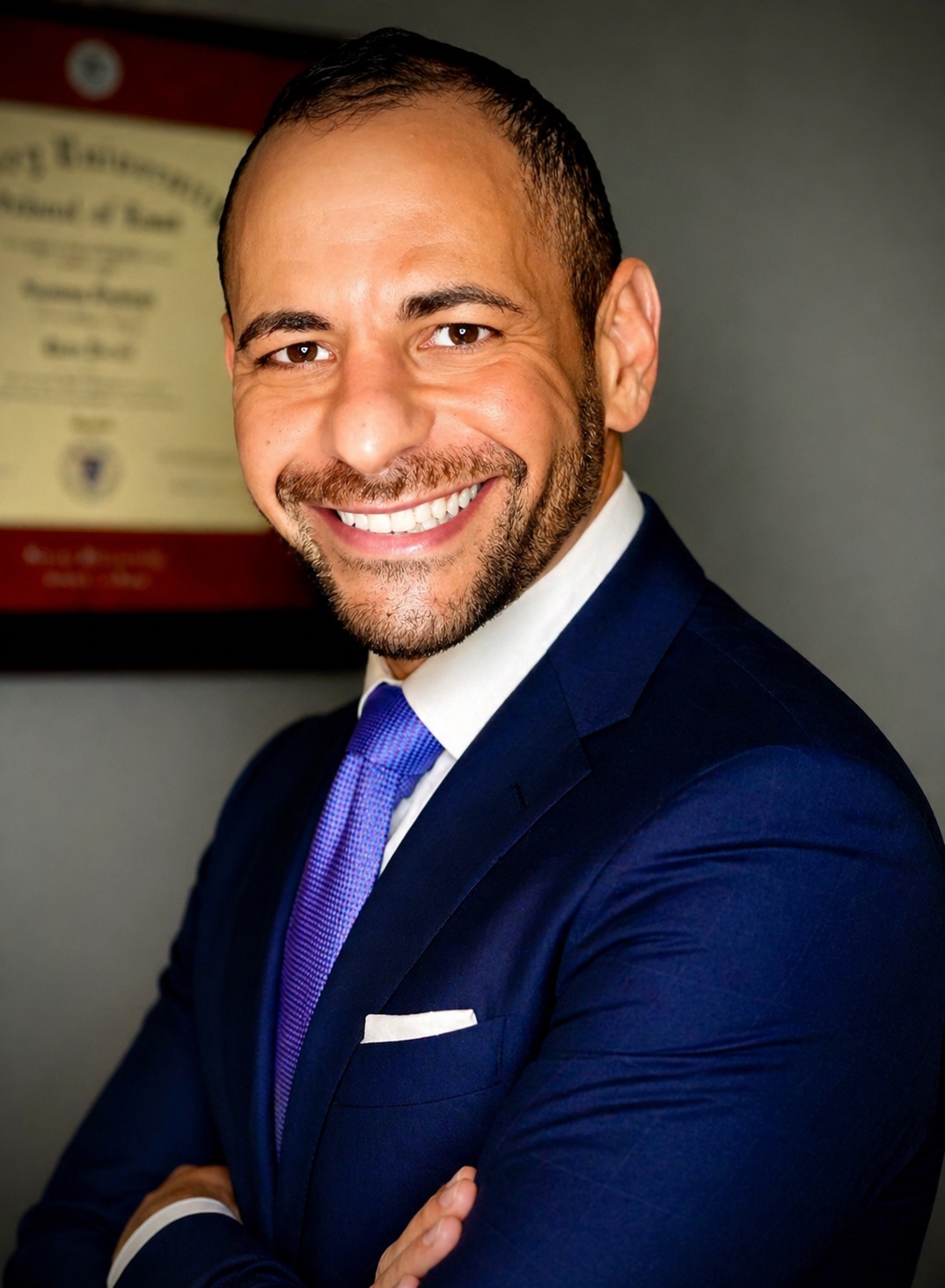
 By Abraham Elmazahi, Esq.
Overview
For years, Florida drivers generally associated refusing a breath test with an administrative driver-license suspension. Since October 1, 2025, Florida law has also authorized a separate criminal charge for a first qualifying refusal of a lawful breath or urine test after a DUI arrest.
The change came through Trenton’s Law, Chapter 2025-121 (CS/HB 687). The statute did more than increase penalties for repeat fatal driving offenses: it amended the implied-consent warnings and section 316.1939 to make a first qualifying refusal a second-degree misdemeanor. A subsequent qualifying refusal is a first-degree misdemeanor. The law does not turn every roadside interaction, every request for a sample, or every disputed attempt to breathe into the instrument into an automatic crime.
What actually changed on October 1, 2025
Florida Statutes section 316.1932 governs implied consent to lawful chemical or physical tests. Section 316.1939 supplies the separate refusal offense. Before the 2025 amendment, the refusal crime was tied to a qualifying prior refusal. The amendment added criminal exposure for a first refusal when the prosecution can establish the statutory conditions.
A second-degree misdemeanor carries a statutory maximum of 60 days in jail; a first-degree misdemeanor carries a maximum of one year. Those are maximum exposures, not automatic sentences. The DUI investigation may also produce a separate DUI charge under section 316.193.
The State must prove more than “the driver said no”
For a refusal prosecution under section 316.1939, the operative questions include whether the officer had probable cause to believe the person was driving or in actual physical control while impaired; whether the person was lawfully arrested for DUI; whether the officer requested a qualifying breath or urine test; whether the required one-year/18-month suspension and criminal-refusal warnings were given; and whether the person refused after those warnings. The statute has a specific provision for certain blood-test requests, which should not be flattened into the breath/urine refusal charge.
There can be disputes over what constituted a request, what was actually said, whether the arrest was lawful, whether the warnings matched the person’s history, and whether the evidence proves a refusal. A video showing confusion, attempted compliance, equipment difficulties, or inconsistent instructions may matter. Those possibilities depend on the recordings, reports, and testing documents; they are not blanket defenses.
Florida’s DUI breath testing is not simply a roadside gadget
Roadside field sobriety exercises and a station-based evidentiary breath test serve different purposes. Florida regulates breath-testing instruments and the people who administer approved tests under section 316.1932 and FDLE rules. For broader DUI analysis, see the DUI & Criminal Traffic issue area. The equipment used, the identity and qualifications of the operator, the sequence of instructions, and the recorded test events should be examined in an actual case.
An officer’s statement that someone “refused” is a starting point for review, not a substitute for proving the elements of section 316.1939.
The driver-license case still proceeds separately
The administrative consequences did not disappear. A qualifying first refusal can result in a one-year license suspension; a subsequent refusal may result in an 18-month suspension. Under section 322.2615, a driver ordinarily has 10 days from the notice of suspension to request formal or informal administrative review or pursue the statutory restricted-driving-privilege review route, where available. The choices can have consequences for driving eligibility and litigation strategy, so they should be reviewed immediately.
The administrative case and criminal refusal case are distinct. Section 316.1939 expressly states that the outcome of one does not control the other. A driver may therefore be confronting a DUI charge, a refusal charge, and a separate licensing proceeding arising from the same encounter.
Abraham’s Perspective
The significant defense question is not whether refusing can be punished. The Legislature answered that in 2025. The question in the individual case is whether the State can prove a lawful test request, a lawful DUI arrest, accurate statutory warnings, and an actual refusal after those warnings. I would examine the video and exact implied-consent reading before accepting the shorthand in an arrest affidavit. The administrative deadline, meanwhile, can expire while the criminal file is still being assembled.
Request Consultation
Prospective clients may request a consultation through the firm’s public website. Existing clients may use The Elmazahi Client Center for case communications.
Disclaimer
This article provides general information about Florida law. It is not legal advice about any individual case.
No Attorney-Client Relationship
Reading this article or submitting information through the website does not create an attorney-client relationship. An attorney-client relationship is formed only through a written agreement with The Elmazahi Firm, P.A.